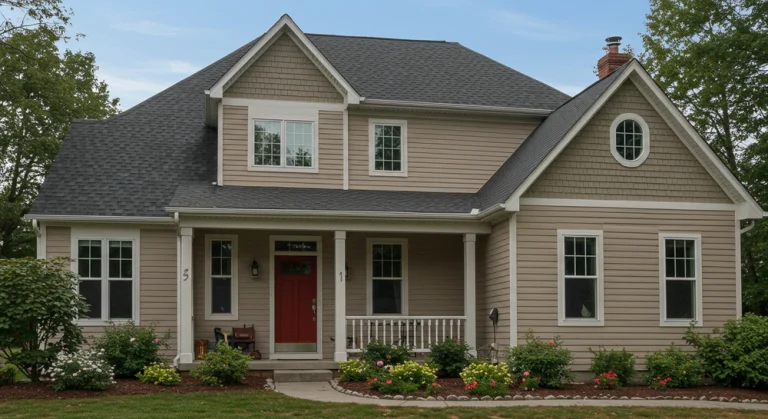
9 Types of Home Siding: Pros and Cons of Each
Your home’s siding isn’t just about aesthetics—it’s also the first line of defense against the elements. The right siding improves curb appeal, enhances energy efficiency, and protects your home from weather damage. But with so many options available, how do you choose?
In this guide, we’ll break down the most popular home siding materials, discussing their pros and cons so you can make an informed decision.
1. Vinyl Siding
Vinyl siding is one of the most common choices for homeowners because it’s affordable, low-maintenance, and available in various colors and styles.
Pros
-
Budget-friendly: One of the most affordable siding options.
-
Low maintenance: No need to paint or seal it.
-
Durable: Resistant to moisture and pests.
-
Variety of styles: Comes in different textures and colors.
Cons
-
Not the most durable: Can crack in extreme cold and warp in extreme heat.
-
Not eco-friendly: Made from plastic, which isn’t biodegradable.
-
Difficult to repair: If damaged, replacing a single panel can be challenging.
2. Fiber Cement Siding
Fiber cement siding, made from a mixture of cement, sand, and cellulose fibers, mimics the look of wood without its downsides.
Pros
-
Highly durable: Resistant to fire, pests, and moisture.
-
Aesthetic appeal: Can mimic wood, stucco, or masonry.
-
Low maintenance: Requires minimal upkeep.
Cons
-
Heavy and difficult to install: Needs professional installation.
-
Expensive upfront cost: Higher than vinyl but lasts longer.
-
Requires repainting: Every 10-15 years, depending on the climate.
3. Wood Siding
Wood siding is a classic choice that provides a warm and natural look. Common wood options include cedar, pine, and redwood.
Pros
-
Beautiful and natural: Adds warmth and charm to any home.
-
Eco-friendly: Sustainable and biodegradable.
-
Customizable: Can be stained or painted in various colors.
Cons
-
High maintenance: Requires frequent sealing or painting.
-
Vulnerable to pests and rot: Needs treatment to prevent decay.
-
Expensive: Higher cost than many alternatives.
4. Metal Siding
Metal siding, including aluminum and steel, is known for its durability and modern appeal.
Pros
-
Fire-resistant: Great for wildfire-prone areas.
-
Durable: Resists weather, pests, and rot.
-
Low maintenance: Doesn’t require painting or sealing.
Cons
-
Dents easily: Can be damaged by hail or heavy impact.
-
Expensive: Higher upfront cost than vinyl.
-
May rust: In humid or coastal areas, metal siding may corrode.
5. Stucco Siding
Stucco is a cement-based siding material known for its smooth, textured finish.
Pros
-
Energy-efficient: Provides excellent insulation.
-
Durable: Can last up to 50 years with proper maintenance.
-
Fire-resistant: Ideal for dry, fire-prone climates.
Cons
-
Cracks over time: Prone to cracking in areas with shifting foundations.
-
High maintenance: Requires repainting and occasional repairs.
-
Not ideal for wet climates: Can absorb moisture and develop mold.
6. Brick Siding
Brick siding offers timeless beauty and remarkable durability.
Pros
-
Extremely durable: Can last over a century.
-
Low maintenance: Doesn’t need frequent repainting or sealing.
-
Energy-efficient: Provides natural insulation.
Cons
-
Expensive: High initial cost and labor-intensive installation.
-
Limited color options: Cannot be easily painted.
-
Heavy: Requires a strong foundation to support its weight.
7. Composite Siding
Composite siding is made from a blend of materials like wood fibers, resins, and plastics.
Pros
-
Eco-friendly: Often made from recycled materials.
-
Resistant to rot and pests: Longer lifespan than traditional wood.
-
Versatile: Available in many colors and textures.
Cons
-
Can be expensive: Higher initial investment.
-
Susceptible to moisture damage: If not properly sealed.
-
Requires professional installation: DIY installation is challenging.
8. Stone Veneer Siding
Stone veneer siding replicates the appearance of natural stone at a fraction of the cost.
Pros
-
Visually stunning: Adds luxury and curb appeal.
-
Lighter than real stone: Easier to install.
-
Durable: Resistant to pests and fire.
Cons
-
Expensive: Higher cost than many other siding materials.
-
Requires skilled installation: Improper installation can lead to moisture issues.
-
Less durable than real stone: Can crack under heavy impact.
9. Composite Siding
Composite siding is made from a blend of materials like wood fibers, resins, and plastics.
Pros
-
Eco-friendly: Often made from recycled materials.
-
Resistant to rot and pests: Longer lifespan than traditional wood.
-
Versatile: Available in many colors and textures.
Cons
-
Can be expensive: Higher initial investment.
-
Susceptible to moisture damage: If not properly sealed.
-
Requires professional installation: DIY installation is challenging.
10. Stone Veneer Siding
Stone veneer siding replicates the appearance of natural stone at a fraction of the cost.
Pros
-
Visually stunning: Adds luxury and curb appeal.
-
Lighter than real stone: Easier to install.
-
Durable: Resistant to pests and fire.
Cons
-
Expensive: Higher cost than many other siding materials.
-
Requires skilled installation: Improper installation can lead to moisture issues.
-
Less durable than real stone: Can crack under heavy impact.
11. Engineered Wood Siding
Engineered wood siding is a man-made product that mimics natural wood but with enhanced durability.
Pros
-
More affordable than natural wood: Costs less while offering a similar look.
-
Durable: Resistant to pests, mold, and mildew.
-
Easier to install: Lighter than fiber cement.
Cons
-
Not completely maintenance-free: Needs sealing or painting.
-
Moisture-sensitive: Improper sealing can lead to swelling.
-
Can fade over time: Requires repainting every 10-15 years.
Choosing the Right Siding for Your Home
Certain materials, like stucco, work better in dry climates, while fiber cement and vinyl are ideal for humid areas.- Maintenance Needs - If you prefer low-maintenance options, vinyl, metal, or brick may be the best choices.
- Budget Constraints - Vinyl and engineered wood are budget-friendly, while stone veneer and brick are premium options.
Conclusion
Choosing the right siding depends on various factors like durability, maintenance, cost, and aesthetics. Each material has its strengths and weaknesses, so consider what best fits your home’s needs and budget.
Your home’s siding isn’t just about aesthetics; it plays a crucial role in protecting your house from the elements. Over time, even the best siding materials deteriorate, making it essential to recognize when it’s time for a replacement. Ignoring damaged siding can lead to costly repairs, structural damage, and even health hazards like mold growth.
So, how do you know when it’s time to replace your home siding? Here are the top warning signs every homeowner should look out for.
Why Home Siding Matters
Siding serves three essential functions:
-
Protection: It acts as a shield against harsh weather conditions like rain, snow, and strong winds.
-
Aesthetics: A well-maintained exterior boosts your home’s curb appeal and overall value.
-
Energy Efficiency: Good siding helps insulate your home, keeping energy bills in check.
Now, let’s dive into the telltale signs that indicate your siding may need a full replacement.
Signs It’s Time to Replace Your Home Siding
- Cracks and Gaps in the Siding - Cracks and gaps in siding allow moisture, pests, and drafts to penetrate your home. If you notice these issues, especially after a storm or harsh weather, it’s a sign that your siding is weakening. Small cracks might seem harmless, but they can expand quickly, leading to severe damage.
- Warping and Bubbling - Warping or bubbling is a clear indicator of moisture problems beneath your siding. If parts of your siding appear misshapen or puffed out, it means water has infiltrated the material, compromising its structural integrity. Ignoring this can lead to hidden mold growth and serious internal damage.
- Rotting or Soft Spots - If your siding feels soft or crumbles under light pressure, it’s rotting. This is especially common with wood siding when moisture seeps in. Rot spreads fast, making replacement urgent to prevent further structural issues.
- Mold, Mildew, and Fungus Growth - Mold, mildew, or fungus growing on your siding—especially near the seams—indicates excess moisture. While some surface mold can be cleaned, persistent growth is a sign of deeper water infiltration, requiring immediate attention.
- Increased Energy Bills - Has your heating or cooling bill skyrocketed? Damaged siding compromises your home’s insulation, making it harder to regulate indoor temperatures. If you’ve sealed doors and windows but still notice drafts, your siding could be the culprit.
- Fading and Peeling Paint - Siding should hold its color for years, but excessive fading signals material deterioration. If your siding requires frequent repainting or the color looks dull and patchy, it might be time for a full replacement.
- Interior Wall Damage - Have you noticed peeling wallpaper, bubbling paint, or water stains inside your home? These could be signs that moisture is seeping through failing siding. Interior damage often indicates bigger underlying problems outside.
- Pest Infestation - Termites, carpenter ants, and other pests love burrowing into weak siding. If you notice holes, tunnels, or insect activity, your siding may already be compromised, necessitating an immediate replacement.
- Outdated or Unsightly Appearance - If your siding looks outdated, worn, or simply doesn’t match your home’s style anymore, it might be time for an upgrade. New siding enhances curb appeal, increases property value, and gives your home a fresh, modern look.
- Frequent Maintenance and Repairs - Are you constantly repairing your siding? If the cost and effort of maintenance are piling up, replacing it altogether may be a smarter long-term investment. Newer materials like vinyl and fiber cement require minimal upkeep and last longer.
Choosing the Right Siding for Your Home
When replacing siding, consider these popular options:
-
Vinyl Siding: Affordable, durable, and low-maintenance.
-
Wood Siding: Offers natural beauty but requires more upkeep.
-
Fiber Cement Siding: Highly durable, resistant to fire and pests.
-
Metal Siding: Long-lasting and weather-resistant.
How to Hire a Professional for Siding Replacement
Hiring the right contractor ensures a successful siding replacement. Here are some tips:
-
Check Reviews & References: Look for customer feedback and ask for past project references.
-
Verify Licensing & Insurance: Ensure they are properly certified and insured.
-
Request Multiple Quotes: Compare prices and services before making a decision.
-
Ask About Warranties: A good contractor should offer material and workmanship warranties.
Your home’s siding is crucial for protection, efficiency, and aesthetics. If you’ve noticed any of these warning signs, don’t wait until the damage worsens. Replacing your siding can save you money in the long run, increase your home’s value, and enhance your peace of mind.